HeliosWeightLogic
Scientific exploration of nutrition principles and physiological mechanisms of body weight balance inspired by solar cycles
Explore Core Topics
Energy Homeostasis
Understand biological mechanisms that maintain weight equilibrium through energy balance
Examine the evidenceNatural Light Influence
Explore how natural light affects metabolic pathways and nutritional absorption
Delve intoSeasonal Nutrition
Review seasonal food patterns and their alignment with physiological cycles
Review the science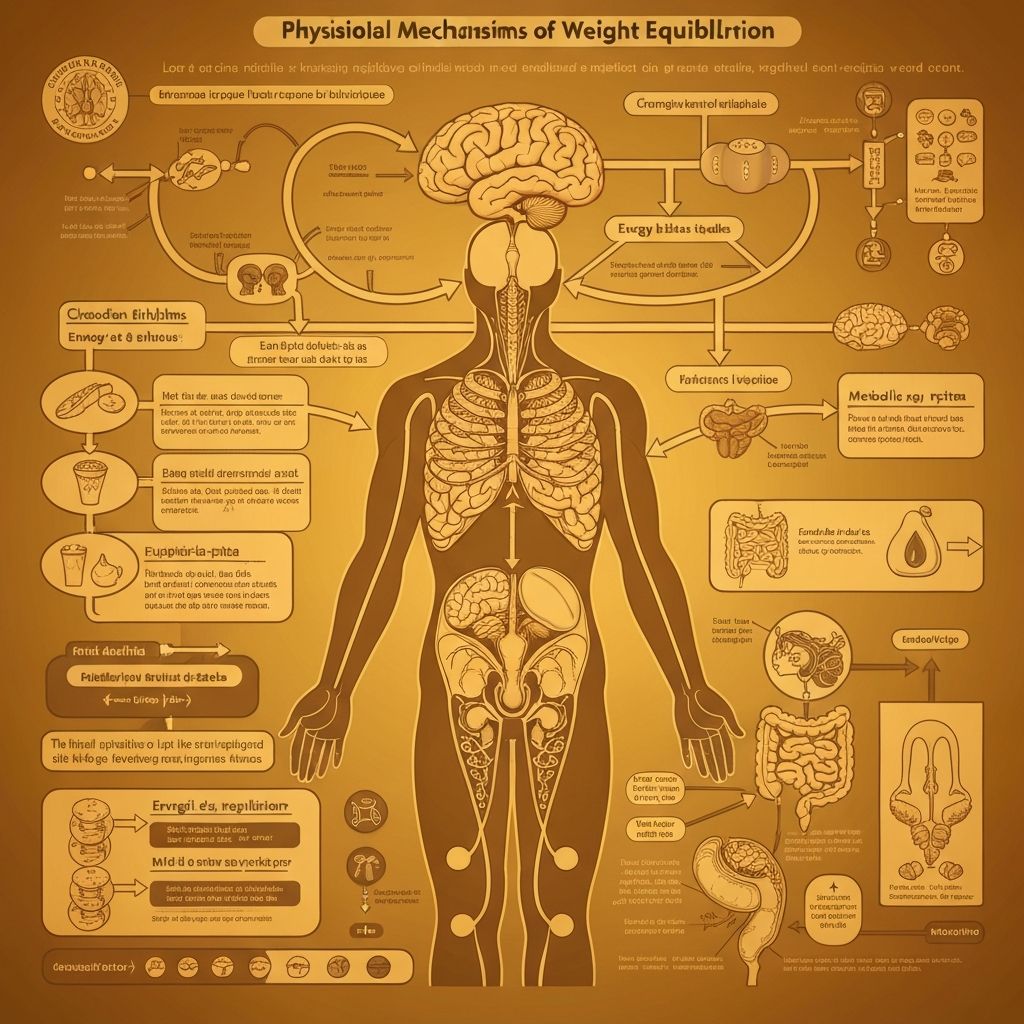
Physiological Logic of Weight Equilibrium
Body weight regulation operates through complex biological systems. Energy intake, energy expenditure, and metabolic adaptation interact continuously. Understanding these mechanisms reveals that sustainable weight balance depends on consistent patterns rather than temporary measures.
Genetic factors, environmental conditions, and behavioral patterns collectively influence metabolic efficiency. The body maintains homeostatic equilibrium through neurological and hormonal signaling. Recognition of these physiological laws provides a rational foundation for examining nutrition strategies.
Sunlight Influence on Metabolic Pathways
Natural light exposure regulates circadian rhythms, which directly influence metabolic processes. Solar radiation affects vitamin D synthesis, hormone production, and neurotransmitter balance. The intensity and duration of light exposure impact glucose metabolism and nutrient utilization efficiency.
Geographic latitude, seasonal variation, and daily light cycles create physiological adjustments in the human body. These natural cycles have shaped nutritional needs throughout evolutionary history. Understanding light's role in metabolism explains why seasonal dietary adaptations have proven beneficial.


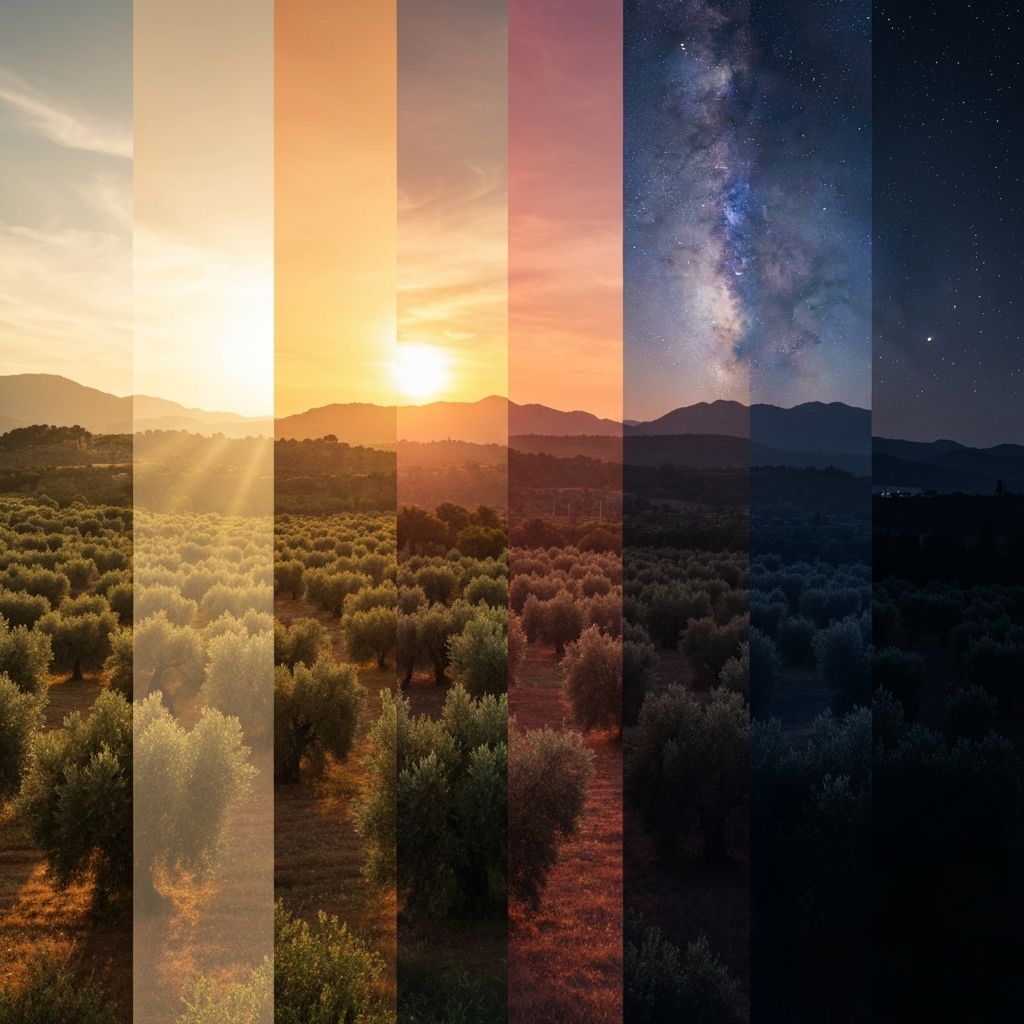
Circadian alignment determines when the body optimally processes different nutrients. Morning light exposure synchronizes metabolic timing. Afternoon patterns influence energy utilization. Evening patterns prepare the body for nutrient storage and repair processes.
Aligned eating patterns—timed with natural light cycles—support metabolic efficiency. This principle reflects ancient Mediterranean practices where meals synchronized with daylight availability. Modern research validates these traditional patterns through circadian physiology.
Seasonal Nutrition and Energy Cycles

Seasonal food availability creates natural variation in diet composition. Summer produce—citrus, vegetables, herbs—supports hydration and micronutrient intake. Winter foods—nuts, seeds, preserved items—provide sustained energy and fat-soluble vitamins.
This seasonal rhythm reflects evolved human adaptation to environmental cycles. Consuming foods at their natural peak season provides optimal nutrient density. Mediterranean regions developed dietary patterns aligned with this seasonal logic.
Frequently Asked Questions
Circadian Alignment in Dietary Patterns
The human body operates on 24-hour cycles controlled by the suprachiasmatic nucleus. This internal clock coordinates hormone release, enzyme production, and nutrient processing. Meal timing synchronized with circadian phase optimizes metabolic function.
Morning eating after light exposure activates digestive processes. Midday meals align with peak metabolic capacity. Evening meals respect the body's preparation for rest and recovery. This pattern reflects natural human biological rhythms.
Debunking Solar-Nutrition Misconceptions
Common misconceptions claim sunlight directly reduces body weight or that solar exposure alone creates weight change. Scientific evidence shows sunlight influences metabolic systems, but weight results from multiple integrated factors.
Misconceptions also claim ancient "solar secrets" provide guaranteed results. Actual historical practices reflected practical adaptation to seasonal availability and natural light. Modern nutritional science validates the underlying logic—not magical properties.
This resource maintains scientific accuracy: explaining mechanisms without overstating effects, presenting research-based information, avoiding unsubstantiated claims.
Continue Your Exploration
Examine more detailed scientific analyses in our blog section
View Blog Articles