Introduction
Weight regulation in the human body operates through complex biological systems rather than simple cause-and-effect mechanisms. The body maintains weight equilibrium through continuous adjustment of energy intake, energy expenditure, and metabolic efficiency. Understanding these mechanisms provides a scientific foundation for examining nutrition and lifestyle approaches.
Energy Balance Framework
Body weight results from the balance between energy consumed and energy expended. Energy intake comes from food and beverages. Energy expenditure occurs through three primary pathways:
- Basal Metabolic Rate (BMR): Energy required for essential biological functions at rest—approximately 60-75% of total daily expenditure
- Thermic Effect of Food (TEF): Energy used to digest, absorb, and process nutrients—approximately 10% of total daily expenditure
- Physical Activity: Energy expended through intentional movement and exercise—approximately 15-30% of total daily expenditure
These components interact continuously. Changes in one area trigger compensatory adjustments in others, maintaining relative stability around an individual's established weight.
Metabolic Adaptation
The human body demonstrates remarkable adaptation to sustained changes in energy availability. When energy intake decreases, the body responds through multiple mechanisms:
- Reduction in basal metabolic rate
- Decreased hormone production affecting energy utilization
- Behavioral changes in activity levels and appetite
- Improved nutrient absorption efficiency
This adaptive response—sometimes called adaptive thermogenesis—helps explain why sustained weight change becomes progressively more difficult. The body actively works to maintain established weight patterns.
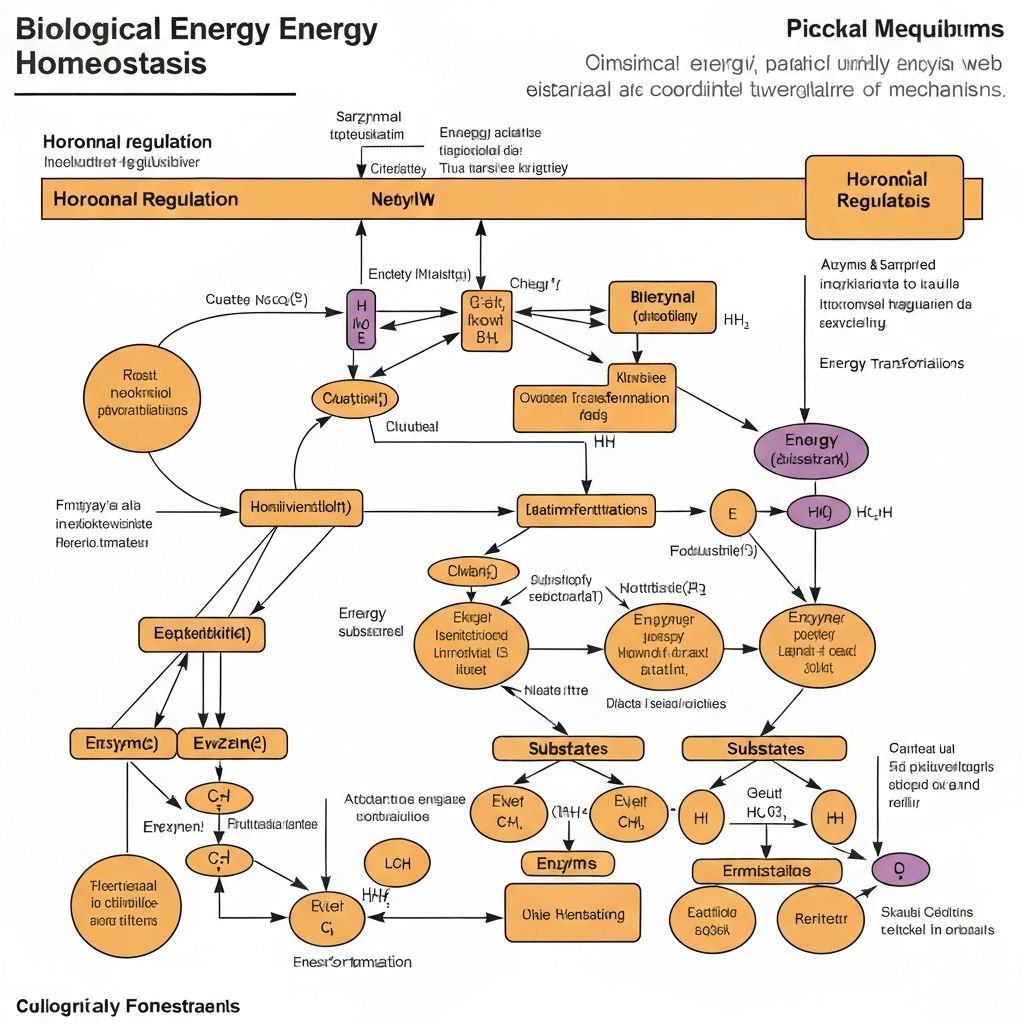
Hormonal Regulation
Weight regulation involves complex hormonal signaling:
- Leptin: Produced by fat tissue, signals energy sufficiency to the brain
- Ghrelin: Produced by the stomach, signals hunger and stimulates appetite
- Insulin: Regulates glucose metabolism and influences energy storage
- Thyroid hormones: Control metabolic rate and energy expenditure
These hormones interact with neural signals and behavioral factors to regulate eating patterns and energy utilization. Disruption of any component affects overall balance.
Genetic and Environmental Factors
Individual differences in weight regulation reflect genetic variation and environmental influences:
- Genetic factors: Determine baseline metabolic efficiency, hormone sensitivity, and appetite regulation
- Environmental factors: Food availability, physical environment, stress levels, sleep quality
- Behavioral factors: Eating patterns, activity levels, food choices
- Health factors: Medical conditions, medications, metabolic health
The interaction of these factors creates individual "set point" ranges around which weight naturally fluctuates. Sustained weight changes require sustained changes to underlying factors.
Set Point Theory
Research suggests the body defends an established weight range through multiple regulatory mechanisms. This set point reflects long-term energy balance patterns. The set point can shift over time through sustained lifestyle changes, but the body resists acute deviations from established patterns.
Non-Linear Weight Changes
Weight doesn't change linearly in response to caloric changes. Different factors affect weight through different mechanisms:
- Initial water retention or loss from dietary changes
- Glycogen storage variations
- Gastrointestinal content changes
- Hormonal fluctuations affecting fluid retention
- Changes in lean body mass versus fat mass
These variations explain why short-term weight fluctuations can be substantial while long-term metabolic changes occur more gradually.
Physiological vs. Psychological Factors
Weight regulation involves both physiological mechanisms and psychological factors. Stress, sleep deprivation, emotional states, and environmental cues influence eating patterns and energy balance. Effective weight management requires addressing multiple systems, not just one factor.
Individual Variation
Significant individual variation exists in all aspects of weight regulation. Some individuals demonstrate efficient metabolic adaptation; others show less plasticity. Some respond strongly to hormonal signals; others show relative resistance. Genetic differences, health history, and life circumstances create diverse patterns across populations.
Conclusion
Weight regulation operates through complex, integrated biological systems that actively maintain established patterns. Understanding these mechanisms reveals that sustainable weight change requires sustained changes to underlying factors, not temporary interventions. Individual variation means approaches effective for some individuals may be ineffective for others. Professional guidance is essential for addressing individual circumstances.