Introduction
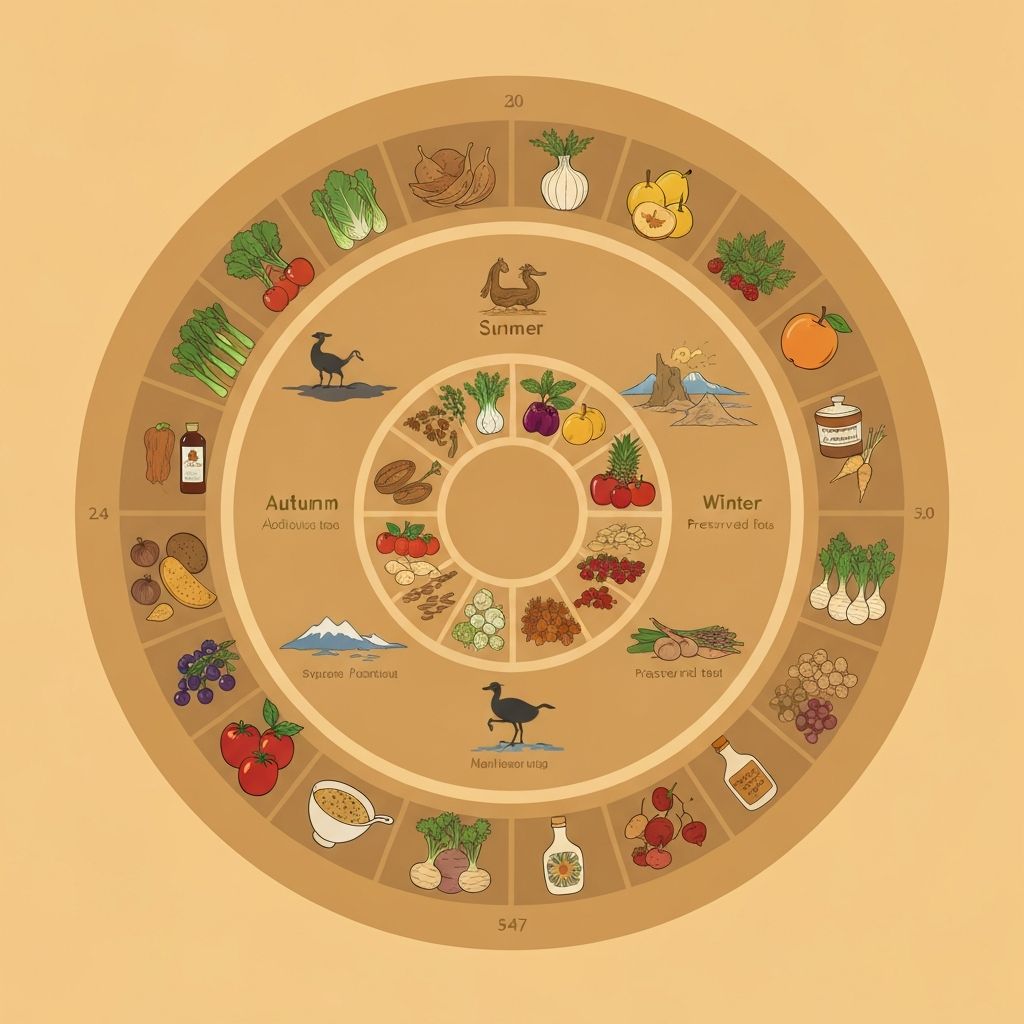
Seasonal food availability creates natural variation in human diet composition throughout the year. This pattern reflects evolutionary adaptation to environmental cycles. Understanding seasonal nutrition provides scientific context for examining traditional dietary practices and examining how seasonal alignment supports physiological balance.
Evolutionary Perspective on Seasonal Eating
Throughout human history, food availability followed seasonal patterns:
- Spring: New growth, fresh vegetables, emerging proteins
- Summer: Peak abundance, fresh fruits, diverse plant foods
- Fall: Harvests, starch accumulation, preparation for winter
- Winter: Stored foods, preserved items, limited fresh options
Human physiology evolved under these seasonal nutritional patterns. Metabolic systems adapted to handle dietary variation across seasons. Modern availability of all foods year-round represents a recent departure from this evolved pattern.
Summer Nutritional Demands
Summer months align with increased energy demands:
- Longer daylight hours support higher activity levels
- Intense sunlight increases vitamin D synthesis
- Higher temperatures increase fluid needs and electrolyte losses
- Metabolic rates increase with activity and temperature regulation
Summer produce addresses these demands: fresh fruits provide hydration and micronutrients; fresh vegetables offer vitamins and minerals; light protein sources support recovery. Mediterranean summer foods—tomatoes, cucumbers, zucchini, citrus, figs—optimize summer physiology.
Summer Produce Nutritional Profile
Summer foods provide specific nutrients supporting summer physiology:
- Hydration: High water content fruits and vegetables support fluid needs
- Minerals: Potassium, magnesium, sodium from fruits and vegetables regulate electrolyte balance
- Antioxidants: Carotenoids, polyphenols from colorful produce reduce inflammation from increased activity
- Vitamins: B vitamins support energy metabolism; vitamin C from citrus supports collagen and immune function
- Fiber: Promotes healthy digestion and microbiome balance
Winter Nutritional Demands
Winter months align with different physiological demands:
- Shorter daylight hours reduce natural light exposure
- Cold temperatures increase energy expenditure for thermoregulation
- Reduced activity levels decrease metabolic demand in some dimensions
- Limited light affects vitamin D synthesis and mood regulation
Winter metabolism shifts toward conservation and preparation. Traditional winter foods support these different demands: nuts and seeds provide sustained energy; stored produce offers minerals and vitamins; proteins support tissue repair and immune function.
Winter Produce Nutritional Profile
Winter foods provide nutrients supporting winter physiology:
- Fat-soluble vitamins: Nuts, seeds, and stored foods provide vitamins A, D, E, K
- Minerals: Root vegetables provide minerals for bone health and metabolic function
- Phytochemicals: Winter squashes and preserved items contain beneficial plant compounds
- Sustained energy: Complex carbohydrates from stored foods support energy stability
- Immune support: Stored vegetables and preserved items provide antioxidants and antimicrobial compounds
Spring and Fall Transitions
Transitional seasons support metabolic adaptation:
- Spring: Fresh growth foods support detoxification and renewal after winter
- Fall: Harvest foods prepare the body for winter and support immune system preparation
These transitional patterns help the body adapt gradually rather than abruptly shifting between seasonal extremes.
Nutrient Density Across Seasons
Foods consumed at their seasonal peak offer optimal nutrient density:
- Foods harvested at peak ripeness contain maximum nutrients
- Storage and transportation reduce nutrient content in out-of-season produce
- Seasonal foods require less preservation, maintaining nutritional quality
- Costs decrease for peak-season foods, improving dietary affordability
Mediterranean Seasonal Patterns
Mediterranean dietary traditions demonstrate seasonal adaptation:
- Summer: Emphasis on fresh vegetables, fruits, light proteins, herbs, olive oil
- Winter: Emphasis on legumes, nuts, seeds, stored vegetables, preserved items
- Year-round: Olive oil, whole grains, fish as regional staples
These patterns evolved over centuries of adaptation to local climate and seasonal availability.
Metabolic Adaptation to Seasonal Variation
The human body demonstrates metabolic adaptation to seasonal changes:
- Weight naturally fluctuates seasonally—higher in winter, lower in summer
- Appetite patterns shift—stronger in preparation for winter, lighter in summer
- Activity levels vary with seasonal light and temperature
- Hormone production adjusts to seasonal light changes
These natural fluctuations reflect evolved adaptation, not metabolic dysfunction.
Modern Challenges to Seasonal Eating
Contemporary food systems create challenges to seasonal patterns:
- Global food distribution makes all foods available year-round
- Artificial ripening and storage techniques alter food properties
- Indoor living reduces exposure to seasonal light changes
- Consistent food availability overrides natural seasonal appetite variation
Despite modern food availability, many benefits derive from maintaining some seasonal alignment.
Practical Seasonal Alignment
Incorporating seasonal foods provides multiple benefits:
- Supports optimal nutrient intake for current season
- Aligns eating patterns with natural metabolic cycles
- Provides dietary variety throughout the year
- Reduces food costs during peak seasons
- Minimizes environmental impact of food transportation
Complete adherence to strict seasonal eating isn't necessary for benefits; partial seasonal alignment supports physiological balance.
Individual and Geographic Variation
Seasonal patterns vary by geographic location:
- Equatorial regions show minimal seasonal variation
- Temperate regions show substantial seasonal variation
- Nordic regions experience extreme seasonal variation
- Altitude affects seasonal patterns independent of latitude
Appropriate seasonal eating reflects local conditions, not universal rules.
Conclusion
Seasonal food availability creates natural nutritional variation aligning with physiological demands throughout the year. Summer foods support high metabolic activity and increased activity; winter foods provide sustained energy for conservation and recovery. Human physiology evolved under seasonal nutritional patterns. Mediterranean populations developed sophisticated dietary traditions reflecting seasonal adaptation. Modern food systems enable year-round availability of all foods, but incorporating seasonal patterns provides physiological benefits. Optimal nutrition reflects individual circumstances, local availability, and personal preferences—not rigid adherence to seasonal rules. Consulting qualified professionals supports identifying approaches matching individual needs and circumstances.